In today’s fast-paced, technology-driven world, almost every service has gone digital – from shopping and banking to education and healthcare. Insurance is no exception, and the rise of digital health insurance plans has transformed the way people access, manage, and utilize health coverage. Instead of traditional, paper-heavy processes, digital health insurance provides customers with a seamless, transparent, and convenient experience, all available at their fingertips.
What are Digital Health Insurance Plans?
Digital health insurance plans are policies that can be purchased, managed, and renewed entirely online, without the need for physical paperwork or in-person visits. These plans leverage technology to simplify the entire insurance journey – from comparing policies, buying coverage, filing claims, and even availing telemedicine services.
With the integration of mobile apps, websites, and online portals, insurers provide customers with greater control over their health insurance policies and make the overall experience user-friendly, quick, and hassle-free.
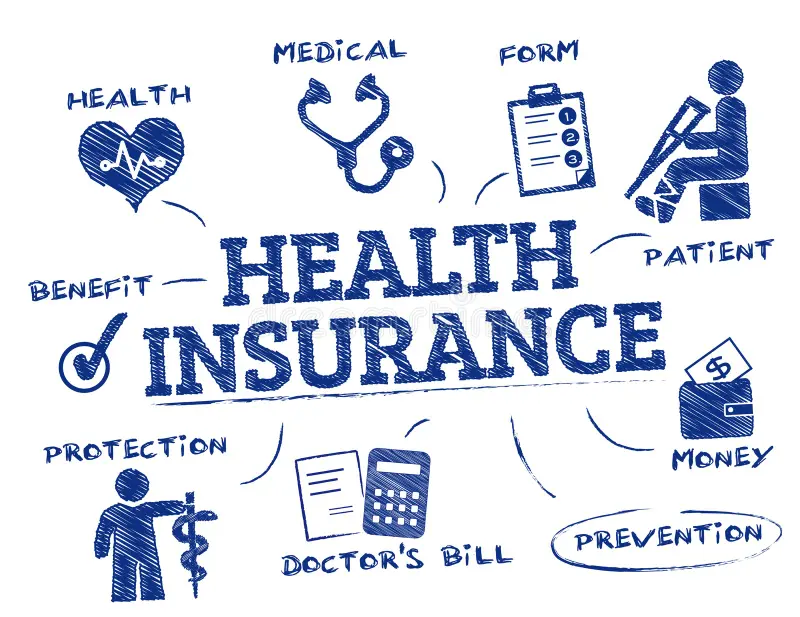
Key Features of Digital Health Insurance Plans
- Instant Policy Purchase – Policies can be bought online within minutes by providing basic details and completing digital KYC.
- Paperless Process – No more long forms or physical documents. Everything is handled digitally.
- Easy Comparison – Customers can compare different plans, premiums, and benefits online before making a decision.
- 24/7 Accessibility – Access your policy documents, health card, and claim status anytime through mobile apps or websites.
- Cashless Hospital Network – Most digital health insurers provide wide hospital tie-ups for cashless treatments.
- Telemedicine and Wellness Benefits – Many digital-first insurers include free doctor consultations, fitness programs, and mental health support as part of the plan.
Advantages of Digital Health Insurance Plans
- Convenience at Your Fingertips
With digital plans, you don’t need to visit an insurance office or wait for an agent. You can purchase, renew, or upgrade your policy instantly from home. - Transparent Information
Digital platforms allow you to clearly view inclusions, exclusions, waiting periods, and premium details. This helps customers make informed decisions without relying solely on agents. - Quick Claim Settlement
Most digital insurers use AI-driven claim settlement systems that process claims faster and with minimal human intervention. This reduces delays and ensures smoother reimbursement or cashless approvals. - Customizable Policies
Customers can tailor digital health insurance plans according to their needs by selecting add-ons such as critical illness cover, maternity cover, or top-up options. - Lower Costs
Since the process is fully online, administrative costs are reduced, which may result in lower premiums compared to traditional plans. - Wellness and Preventive Care
Many digital insurers reward customers for staying healthy by tracking fitness activities through apps and offering discounts, vouchers, or lower renewal premiums.
How Do Digital Health Insurance Plans Work?
- Plan Selection – Customers visit the insurer’s website or aggregator platforms to compare plans.
- Online Application – Fill out basic details like age, health history, and coverage needs.
- Premium Payment – Pay securely through debit cards, credit cards, UPI, or net banking.
- Digital Policy Issuance – The policy document and e-health card are instantly sent via email or app.
- Managing Coverage – Through mobile apps, customers can track claims, view benefits, and even book doctor consultations.
Why are Digital Health Insurance Plans Becoming Popular?
- Shift Towards Online Services – Post-pandemic, people prefer online services to avoid physical visits.
- Faster Medical Claims – Automated claim processing reduces waiting times.
- Tech-Savvy Younger Generation – Millennials and Gen Z prefer the convenience of digital platforms over traditional paperwork.
- Increased Awareness – Online platforms provide educational resources that help people understand insurance better.
Example of Services Included in Digital Plans
- Telemedicine Support: Free online consultations with doctors.
- Pharmacy Discounts: Online medicine orders with discounts.
- Health Tracking: Integration with fitness apps and wearables.
- Digital Health Cards: QR-code-based e-cards for cashless treatments.
- E-Claim Filing: Upload documents and track claim status online.
Things to Consider Before Buying a Digital Health Insurance Plan
- Check Network Hospitals – Ensure that your preferred hospitals are covered under the insurer’s network.
- Read the Fine Print – Go through exclusions, waiting periods, and co-payment clauses carefully.
- Customer Support – Verify if the insurer provides 24/7 digital assistance through chatbots or helplines.
- Claim Settlement Ratio – Opt for insurers with a high claim settlement ratio for reliability.
- Security of Platform – Ensure the website or app is secure for transactions and personal data.
Who Should Choose Digital Health Insurance?
- Tech-Savvy Individuals – People comfortable using mobile apps and online services.
- Young Professionals – Those who want quick and affordable health coverage.
- Families with Busy Schedules – Families who prefer managing insurance digitally rather than visiting branches.
- Frequent Travelers – Easy access to policy documents and claims while traveling.
Future of Digital Health Insurance
The future of health insurance is undoubtedly digital. With advancements in artificial intelligence, blockchain, and IoT (Internet of Things), digital health insurance plans will become more personalized, secure, and proactive. For example:
- AI can predict health risks and suggest preventive measures.
- Wearable devices can track real-time health data and integrate it with insurance benefits.
- Blockchain can make claims more transparent and fraud-proof.
As healthcare continues to evolve, digital health insurance will play a central role in ensuring that individuals have not just financial coverage but also proactive health management support.
Conclusion
Digital health insurance plans are revolutionizing the insurance industry by making policies more accessible, transparent, and customer-friendly. They remove the hassles of paperwork, offer instant policy issuance, and provide added wellness benefits, making them highly attractive for today’s generation.
With features like telemedicine, online claims, wellness rewards, and 24/7 accessibility, digital health insurance is more than just financial protection – it is a complete health management ecosystem.
If you are planning to buy health insurance, exploring digital health plans can help you secure not only your medical expenses but also your overall well-being in a modern, convenient, and affordable way.